
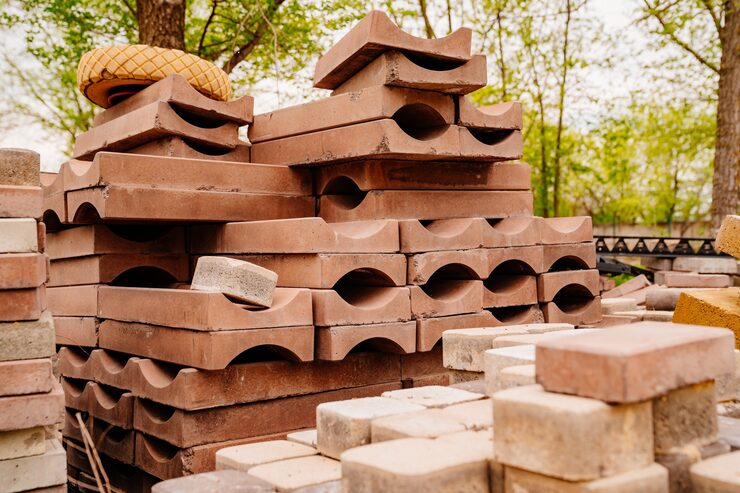
Overview of Masonry Materials in Nigeria
Types of masonry materials in Nigeria play a crucial role in modern construction because they determine the strength, durability, and safety of buildings across the country. From residential homes to large commercial structures, builders rely heavily on different masonry materials such as cement, blocks, sand, granite, and bricks to achieve strong and lasting results.
In Nigeria’s rapidly growing construction industry, demand continues to rise significantly. As a result, contractors and homeowners are becoming more intentional about selecting the right materials for structural stability, cost efficiency, and long-term performance.
In this guide, you will learn the types of masonry materials in Nigeria, their uses, and their importance in construction projects. Moreover, you will also discover how to choose the right materials for long lasting and cost effective building projects.
Overview of Masonry Construction Materials in Nigeria
Masonry materials form the backbone of every building project in Nigeria. In addition, they provide structure, stability, and safety.
Builders actively use cement, sand, granite, blocks, and steel reinforcement in almost every construction stage. Furthermore, these materials support both residential and commercial development across the country.
Classification of Masonry Building Materials in Nigeria
Natural and Artificial Masonry Materials in Nigeria
Natural materials such as sand, gravel, and stone come directly from the environment. On the other hand, manufacturers produce artificial materials like blocks and bricks for construction use.
Load Bearing and Non Load Bearing Materials
Load bearing materials carry structural weight. Meanwhile, non load bearing materials serve partition and finishing purposes.
Traditional and Modern Masonry Materials
Builders previously relied on clay bricks and stones. However, modern construction now uses reinforced blocks and cement based materials because they offer higher strength and efficiency.
Common Types of Masonry Materials in Nigeria and Their Uses
Cement and Mortar in Nigerian Construction
Cement serves as the main binding material in construction. Builders mix it with sand and water to create mortar. Additionally, cement supports plastering and structural bonding.
Concrete Blocks and Hollow Blocks in Nigeria
Concrete blocks remain one of the most widely used masonry materials. Builders choose them because they provide strength and affordability. Moreover, hollow blocks improve insulation and reduce building weight.
Bricks Used in Nigerian Construction Projects
Bricks support both structural and decorative applications. Builders use clay bricks for durability, while sandcrete bricks offer a more affordable option.
Sand Types for Masonry Work in Nigeria
Builders use sharp sand for concrete mixing. In contrast, they use plaster sand for smooth wall finishing. In addition, gravel improves concrete strength.
Granite and Stone Masonry Materials
Granite supports heavy-duty construction works such as foundations and road bases. Therefore, builders rely on it for long-lasting structural strength.
Steel Reinforcement in Nigerian Buildings
Steel rods strengthen concrete structures by increasing tensile strength. As a result, buildings resist cracks and structural failure.
Uses of Masonry Materials in Building Construction
Foundation Construction Using Masonry Materials
Builders use strong masonry materials to create stable foundations. Consequently, buildings maintain structural integrity over time.
Wall Construction with Masonry Materials
Contractors use blocks and bricks to construct walls. In addition, these materials improve insulation and privacy.
Flooring Applications in Construction
Builders use concrete and tiles for flooring because they offer durability and easy maintenance.
Finishing Applications of Masonry Materials
Plaster, paint, and tiles improve both appearance and durability. Moreover, they protect walls from damage.
Factors That Influence Choice of Masonry Materials in Nigeria
Cost of Masonry Materials in Nigeria
Budget strongly influences material selection. Therefore, builders compare prices before purchasing.
Durability of Construction Materials
Builders prefer strong materials because they increase building lifespan.
Climate Effects on Masonry Materials
Weather conditions affect material performance. As a result, builders choose weather-resistant materials.
Availability of Materials in Nigeria
Locally available materials reduce transportation cost and project delays.
Supplier Reliability in Nigeria Construction Market
Reliable suppliers provide consistent quality. In addition, they reduce construction risks.
At this stage, MFA Building Material actively supply high quality masonry materials in Nigeria, helping builders complete projects with reliable, durable, and tested construction products.
Cost of Masonry Materials in Nigeria (2026 Update)
Prices change based on location, demand, and supply conditions.
- Cement prices fluctuate due to market conditions
- Block prices depend on size and quality
- Sand and granite costs depend on transportation distance
- Steel prices follow global market trends
Therefore, builders work with trusted suppliers to stabilize costs and avoid unexpected price changes.
Challenges in Masonry Construction in Nigeria
Rising Construction Costs
Inflation increases the cost of materials and construction projects.
Fake Construction Materials
Low quality materials reduce building strength and safety.
Transportation Challenges
Poor logistics slow down material delivery.
Poor Construction Practices
Incorrect material usage weakens structural performance.
Modern Trends in Nigerian Masonry Construction
Eco Friendly Masonry Materials
Builders now adopt sustainable materials to reduce environmental impact.
Prefabricated Construction Materials
Manufacturers now produce ready made blocks to speed up construction.
Digital Supply Systems
Many suppliers now allow online ordering for convenience.
Advanced Cement Technology
New cement types improve strength and durability.
Expert Tips for Choosing Masonry Materials in Nigeria
- Always verify material quality before purchase
- Compare multiple suppliers before buying
- Avoid extremely cheap materials that reduce durability
- Work only with trusted suppliers
- Plan purchases early to avoid price increases
As a result, builders save costs and improve project quality.
Key Takeaway on Masonry Materials in Nigeria
In conclusion, types of masonry materials in Nigeria determine the strength and durability of every construction project. Builders must understand how each material works to achieve safe and long lasting structures.
However, selecting the right supplier matters just as much as selecting the right materials. Therefore, working with a trusted supplier ensures quality, efficiency, and cost savings.
MFA Building Material specialize in supplying premium masonry materials across Nigeria. In addition, we help builders complete projects with confidence, reliability, and consistent material quality.
Start Your Construction Project Today
Ready to build with confidence?
Are you planning a building project in Nigeria?
Choose MFA Building Material – Nigeria’s #1 Masonry Materials Supplier
Get high quality masonry materials today
Work with a trusted supplier you can rely on
Build stronger, faster, and smarter
Contact us now for reliable masonry material supply across Nigeria!
Location: Cadogan Wy, Penninsula II, Lekki 106104
Call/WhatsApp: 0810 660 6824
Website: MFA Building Materials
Frequently Asked Questions About Types of Masonry Materials and Their Uses in Nigeria.
What are masonry materials in construction in Nigeria?
Masonry materials in Nigeria are building materials such as cement, sand, blocks, bricks, granite, and steel used to construct strong and durable structures.
What are the most common types of masonry materials used in Nigeria?
The most common types include cement, concrete blocks, sand, gravel, granite, bricks, and steel reinforcement used in residential and commercial construction.
What is the use of cement in masonry construction in Nigeria?
Cement is used as a binding material to hold blocks, bricks, and other components together, making it essential for structural strength and durability.
Which masonry material is best for building strong foundations in Nigeria?
Granite, reinforced concrete, and steel are considered best for strong foundations because they provide high structural stability and load-bearing strength.
Are concrete blocks better than bricks in Nigeria construction?
Concrete blocks are more widely used in Nigeria because they are cheaper, stronger, and easier to produce compared to traditional clay bricks.
What factors affect the choice of masonry materials in Nigeria?
Key factors include cost, durability, availability, climate conditions, supplier reliability, and the type of construction project.