
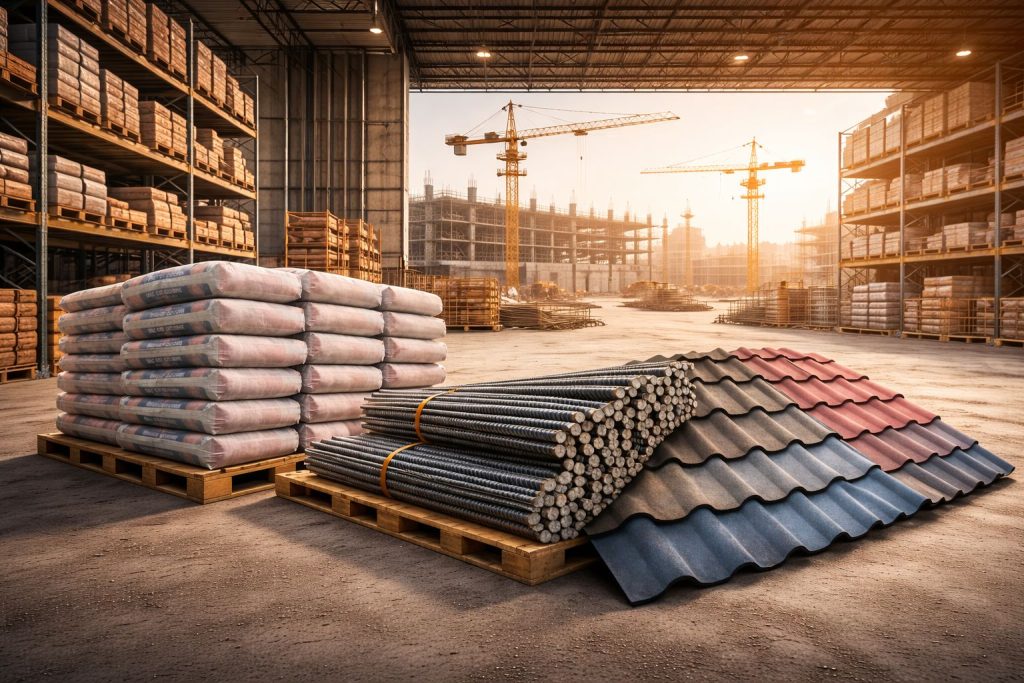
Choosing the right building materials is one of the most important decisions in any construction project. In Nigeria, factors such as climate, cost, availability, and quality all play a major role in determining which materials are best suited for a building. Whether you are a homeowner, contractor, or developer, understanding these factors can help you make informed decisions that ensure durability, safety, and cost efficiency.
This guide explores the key factors to consider when selecting building materials in Nigeria and how to choose the right options for your project.
Overview of Building Material Selection in Nigeria
Importance of Choosing the Right Building Materials
Building materials determine the strength, longevity, and overall performance of a structure. Poor material selection can lead to structural issues, increased maintenance costs, and reduced lifespan.
Impact of Material Choice on Construction Quality
The quality of materials used directly affects construction outcomes. High-quality materials ensure better finishes, improved safety, and long-term reliability.
Key Factors to Consider When Choosing Building Materials
Strength and Structural Requirements
Different parts of a building require materials with specific strength properties. Structural components such as foundations and columns require materials like concrete and steel that can withstand heavy loads.
Durability and Weather Resistance
Nigeria’s climate varies across regions, with exposure to heat, humidity, and heavy rainfall. Materials should be able to resist environmental conditions to avoid deterioration over time.
Cost and Budget Considerations
Budget is a major factor in construction. While it may be tempting to choose cheaper materials, it is important to balance cost with quality to avoid future repair expenses.
Availability and Supply Consistency
Using materials that are readily available helps prevent project delays. Reliable suppliers ensure consistent availability throughout the construction process.
Compatibility with Building Design
Materials should align with the architectural design and intended use of the building. Some designs require specific materials for both structural and aesthetic purposes.
Environmental and Climate Considerations in Nigeria
Effects of Heat and Humidity on Materials
High temperatures and humidity can affect materials like wood and metal. Choosing materials that can withstand these conditions is essential for durability.
Resistance to Rainfall and Flooding
In areas prone to heavy rainfall or flooding, water-resistant materials are crucial to prevent damage and structural issues.
Suitability for Coastal and Inland Regions
Coastal areas like Lagos require materials that resist corrosion due to salt exposure, while inland regions may have different environmental challenges.
Quality Standards and Material Certification
Identifying High-Quality Building Materials
Quality materials are consistent, durable, and meet industry standards. Always inspect materials and verify their source before use.
Importance of Industry Standards and Compliance
Using materials that meet regulatory standards ensures safety and compliance with building codes.
Avoiding Substandard Materials in Nigeria
Substandard materials can compromise structural integrity. It is important to work with trusted suppliers to avoid low-quality products.
Types of Building Materials and Their Suitability
Structural Materials for Strength and Stability
Materials such as cement, steel, and concrete are essential for structural support and load-bearing elements.
Masonry Materials for Walls and Partitions
Blocks, sand, and mortar are commonly used for constructing walls and partitions.
Roofing Materials for Protection and Durability
Roofing materials must provide protection from weather while maintaining durability over time.
Finishing Materials for Aesthetics and Functionality
Tiles, paints, and fittings enhance the appearance and usability of buildings.
Cost Efficiency and Long-Term Value
Initial Cost vs Long-Term Maintenance
Lower upfront costs may lead to higher maintenance expenses. Investing in quality materials can reduce long-term costs.
Bulk Purchasing and Supplier Discounts
Buying materials in bulk can significantly reduce costs, especially for large projects.
Reducing Waste and Material Loss
Efficient planning and proper handling of materials help minimize waste and reduce overall expenses.
Choosing a Reliable Building Materials Supplier in Nigeria
Evaluating Supplier Reputation and Experience
Work with suppliers who have a proven track record and positive customer feedback.
Comparing Pricing and Product Quality
Ensure that you are getting good value for money by comparing different suppliers.
Delivery Capability and Logistics Support
Reliable delivery services are essential to keep construction projects on schedule.
Common Mistakes to Avoid When Selecting Building Materials
Choosing Based on Price Alone
Focusing only on price can lead to poor-quality materials and higher long-term costs.
Ignoring Environmental Factors
Failing to consider climate conditions can result in material failure.
Overlooking Quality Assurance
Always verify the quality and authenticity of materials before use.
Trends in Building Material Selection in Nigeria (2026)
Growing Demand for Sustainable Materials
There is increasing interest in eco-friendly building materials that reduce environmental impact.
Increased Use of Locally Sourced Materials
Locally produced materials are becoming more popular due to cost savings and availability.
Adoption of Modern Construction Technologies
New technologies are improving efficiency and material performance in construction.
Where to Buy Quality Building Materials in Nigeria
Benefits of Working with Trusted Suppliers
Trusted suppliers provide consistent quality, competitive pricing, and reliable service.
Importance of Nationwide Delivery Services
Suppliers that offer nationwide delivery ensure materials reach your site quickly and efficiently.
Looking to source quality building materials in Nigeria? MFA Building Materials supplies a wide range of construction materials with competitive pricing and reliable nationwide delivery. Contact us today to get a quote and keep your project on track.
Frequently Asked Questions
What are the most important factors when choosing building materials in Nigeria?
Key factors include strength, durability, cost, availability, environmental conditions, and compliance with building standards.
How does climate affect building material selection in Nigeria?
Climate influences material durability. For example, high humidity and rainfall require water-resistant materials, while coastal areas need corrosion-resistant options.
How can I identify high-quality building materials?
Check for consistency, certification, supplier reputation, and physical inspection of materials before purchase.
What is the most cost-effective building material for construction in Nigeria?
The most cost-effective material depends on the project, but balancing affordability with durability is essential for long-term value.
Where can I buy reliable building materials in Nigeria?
You can buy from trusted suppliers like MFA Building Materials, which offers quality materials and reliable delivery.
How do I avoid substandard building materials?
Work with reputable suppliers, verify product quality, and avoid unusually low-priced materials.
Should I prioritize cost or quality when choosing materials?
It is best to strike a balance, as choosing quality materials reduces maintenance costs over time.
What materials are best for coastal areas in Nigeria?
Corrosion-resistant materials such as treated steel and durable concrete are ideal for coastal environments.
Can I buy building materials in bulk with delivery in Nigeria?
Yes, many suppliers offer bulk purchasing options with delivery services.
How do I choose the right supplier for building materials?
Evaluate supplier experience, product quality, pricing, and delivery reliability before making a decision.